How To Avoid Gambling Problems

Want expert predictions delivered daily?
Get free tips on Telegram or upgrade to Premium.
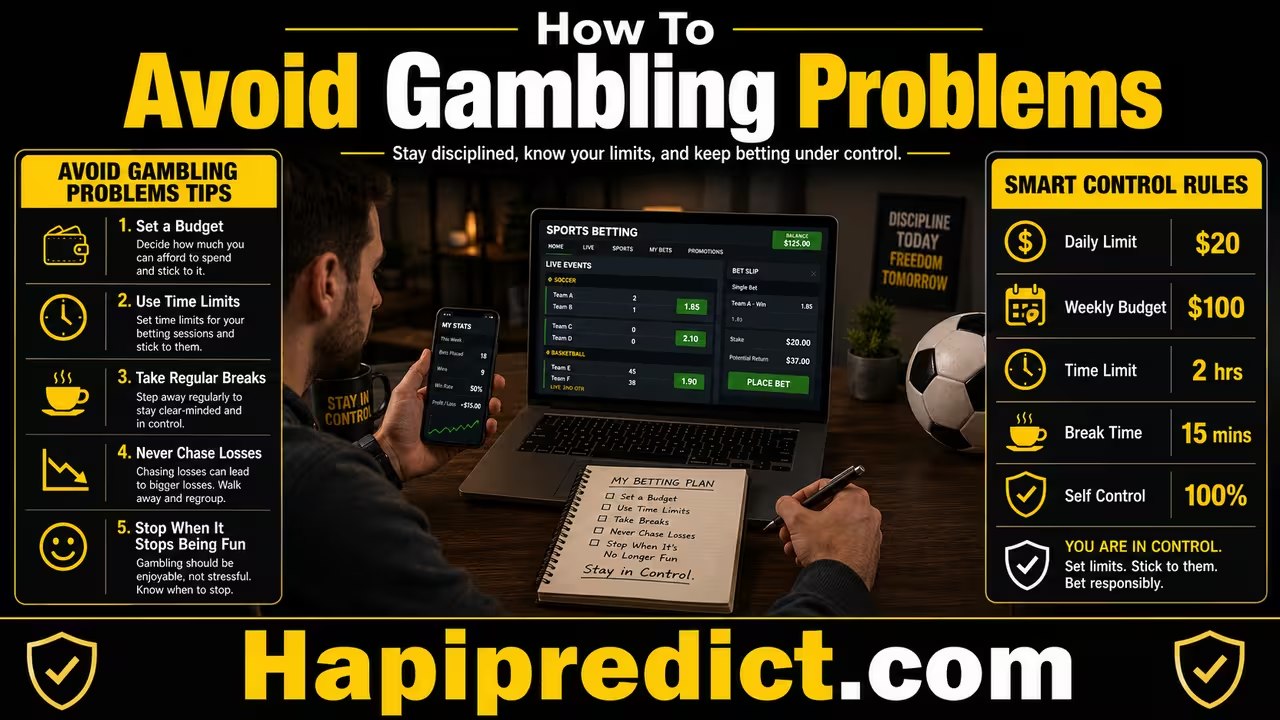
Avoiding gambling problems means keeping gambling controlled, legal, and limited so it does not harm your money, emotions, relationships, work, studies, or daily life.
It also means setting clear limits, avoiding chasing losses, taking breaks, and stopping completely if gambling starts becoming stressful or hard to control.
Gambling can include sports betting, casino games, lotteries, online slots, poker, virtual games, and other activities where money is risked on uncertain outcomes. It should only be done by adults who are legally allowed to gamble in their location. Even then, gambling should be treated as entertainment, not income, investment, or a way to solve money problems.
Gambling problems often start slowly. A person may begin with small stakes, then start betting more often, checking odds every day, chasing losses, borrowing money, or feeling stressed when they cannot gamble. These warning signs should not be ignored.
The best way to avoid gambling problems is to control the habit before it becomes harmful. This means using only money you can afford to lose, setting deposit and time limits, avoiding emotional gambling, keeping gambling separate from important responsibilities, and asking for help early when control becomes difficult.
What Are Gambling Problems?
Gambling problems happen when gambling starts affecting a person’s money, mood, relationships, responsibilities, or ability to stop.
It is not only about losing a large amount of money, but about losing control.
A gambling problem can look different from person to person. Some people gamble too often. Some chase losses. Some hide their gambling. Some borrow money. Some feel restless when they cannot gamble. Others keep gambling even after it causes stress or arguments.
The key sign is harm. If gambling creates pressure, debt, secrecy, guilt, or emotional distress, it has moved beyond harmless entertainment.
Gambling problems can happen with sports betting, casino games, lottery tickets, online gambling, virtual games, poker, and other forms of gambling. The platform may differ, but the risk is the same when control begins to disappear.
Why Is It Important To Avoid Gambling Problems Early?
It is important to avoid gambling problems early because gambling habits can become harder to control when they are ignored.
Small warning signs can grow into serious financial, emotional, and personal harm.
Many people do not notice the problem at first. They may say they are just unlucky, that one win will fix everything, or that they can stop anytime. But if they keep breaking limits, chasing losses, or gambling with important money, the situation can become more serious.
Early action is easier than waiting for a crisis. Setting limits, taking breaks, blocking access, and speaking to someone trusted can stop the habit from growing.
Avoiding gambling problems is not about fear. It is about responsibility. It protects your money, time, peace of mind, and future choices.
How Do You Avoid Gambling Problems?
You avoid gambling problems by setting strict limits, using only spare money, avoiding emotional gambling, and stopping when gambling stops feeling controlled.
The goal is to prevent harm before it starts.
The first rule is simple. Do not gamble if you are under the legal gambling age. Gambling involves money, risk, and emotional pressure, and it is not suitable for minors.
For legal-age adults, the next rule is to treat gambling as entertainment only. Do not gamble with money needed for food, rent, transport, school, family support, savings, debt repayment, business expenses, or emergencies.
A safe prevention plan should include:
A fixed gambling budget
A deposit limit
A stake limit
A loss limit
A time limit
A rule against chasing losses
A rule against borrowing money
Regular breaks
A plan to stop if warning signs appear
These rules are only helpful when they are followed. If the rules keep changing after losses, gambling may already be becoming risky.
What Money Should You Never Use For Gambling?
You should never use important money for gambling.
This includes money needed for bills, food, rent, transport, school fees, savings, debt repayment, family support, business, or emergencies.
Gambling money should only come from spare entertainment money. If losing the money would create stress or affect your responsibilities, it should not be used.
A common problem begins when someone uses important money and then tries to win it back before anyone notices. This creates pressure, and pressure often leads to chasing losses.
The safest mindset is to assume every stake can lose. If you cannot accept losing the money before placing the bet, do not gamble with it.
How Can A Gambling Budget Prevent Problems?
A gambling budget can prevent problems by giving you a fixed amount you can afford to lose and a clear point where gambling must stop.
It keeps gambling separate from important money.
A gambling budget should be small, realistic, and based on your financial situation. It should not be based on how much you hope to win. It should be based on how much you can lose without harm.
For example, a legal-age adult may set aside a small entertainment amount for the month. If that amount is lost, gambling stops until the next planned period. They do not add more money, borrow, or try to recover quickly.
A budget protects control because it gives a clear boundary. Without a budget, it is easy to keep depositing money after losses or increase stakes after wins.
How Much Should You Gamble With?
You should only gamble with a small amount of spare money that you can afford to lose completely.
If losing the money would affect your life, the amount is too high.
There is no perfect gambling amount for everyone. A safe limit depends on income, responsibilities, bills, savings, and personal situation. What is small for one person may be too much for another.
The best question is not “How much can I win?” The best question is “Can I lose this without stress?” If the answer is no, do not gamble.
Responsible gambling begins with accepting risk before any money is placed.
Why Should You Avoid Chasing Losses?
You should avoid chasing losses because it can turn a small loss into a bigger financial and emotional problem.
Chasing losses happens when someone keeps gambling to recover money already lost.
Chasing losses is one of the strongest warning signs of gambling problems. It usually happens after frustration, regret, or panic. A person may increase stakes, choose riskier odds, or gamble on things they do not understand.
The danger is that gambling does not repay losses on command. A lost bet or game does not make the next one more likely to win. Each new gamble carries fresh risk.
If you lose, the responsible action is to stop at your limit. Do not gamble again because you feel you must recover. That feeling is exactly what makes chasing dangerous.
How Can Betting Limits And Deposit Limits Help?
Betting limits and deposit limits help by controlling how much money can be added, staked, or lost within a set period.
They create barriers against impulsive gambling.
A deposit limit stops you from adding more money after reaching a set amount. A stake limit controls how much can be risked on one bet or game. A loss limit tells you when to stop after losses. A time limit controls how long you spend gambling.
These tools are useful because emotions can be stronger after a win or loss. A win may create overconfidence. A loss may create desperation. Limits protect you during those moments.
Many gambling platforms provide responsible gambling tools such as deposit limits, time-outs, reminders, and self-exclusion. These tools should be used early, not only after serious harm has happened.
How Do Time Limits Help Avoid Gambling Problems?
Time limits help avoid gambling problems by stopping gambling from taking over your day, attention, sleep, or routine.
They protect your time as well as your money.
Gambling problems are not only financial. A person may spend too much time checking odds, playing casino rounds, following live scores, or thinking about the next bet. This can affect work, school, family, sleep, and focus.
A time limit gives gambling a clear start and end. Once the time is over, the activity stops. This helps prevent long sessions where emotions and impulsive decisions can grow.
Time limits are especially important for online gambling and live betting because both can move quickly. Fast decisions can make it harder to stay in control.
How Do Emotions Lead To Gambling Problems?
Emotions can lead to gambling problems when people gamble because they are angry, excited, bored, stressed, lonely, or desperate.
Strong feelings can make risky decisions feel reasonable.
After a win, someone may feel confident and increase stakes. After a loss, they may feel frustrated and chase. When bored, they may gamble just to feel excitement. When stressed, gambling may feel like an escape.
These emotional patterns are dangerous because they replace clear thinking. The person is no longer gambling calmly. They are reacting to how they feel.
A good rule is to avoid gambling when emotions are strong. If you feel desperate, angry, rushed, or unable to stop thinking about a result, take a break.
Why Is Gambling With Borrowed Money A Warning Sign?
Gambling with borrowed money is a warning sign because it creates debt and pressure.
If the gambling result loses, the person still owes the money and may feel pushed to gamble again.
Borrowed money should never be used for gambling. This includes loans, credit, money from friends, family money, business funds, or money meant for important needs.
When someone borrows to gamble, the activity is no longer entertainment. It becomes a financial risk with extra pressure. That pressure can make chasing losses more likely.
If someone feels they need to borrow money to gamble or recover losses, the safest step is to stop gambling immediately and seek support.
How Can You Avoid Gambling Too Often?
You avoid gambling too often by creating gambling-free days, setting time limits, reducing app access, and avoiding constant odds or betting content.
Gambling should not become part of every match, every day, or every mood.
Frequent gambling can become a habit before a person notices. There is always another match, casino round, lottery draw, or online market. This constant access can make gambling feel normal, even when it is becoming too much.
To reduce frequency, turn off notifications, delete unnecessary betting apps, avoid tip groups, and stop checking odds when bored. You can also choose specific days when you do not gamble at all.
A healthy relationship with sport or entertainment should not depend on gambling. You can watch football, follow teams, and enjoy matches without placing a bet.
How Can Gambling Apps Make Problems Worse?
Gambling apps can make problems worse because they provide quick access to deposits, odds, games, live markets, and promotions.
This makes it easier to act on impulse.
A person may not plan to gamble, but a notification, promotion, or live odds alert can trigger action. Quick deposits can also make spending feel less serious than using physical cash.
Online gambling can hide the speed of losses. Small deposits and small stakes can add up quickly. Because everything happens on a screen, the money may feel less real.
To reduce risk, turn off notifications, remove saved payment methods, log out after use, and avoid keeping gambling apps on the home screen. If gambling is hard to control, deleting apps or using blocking tools may be necessary.
How Do Time-Outs And Self-Exclusion Prevent Gambling Problems?
Time-outs and self-exclusion prevent gambling problems by blocking access to gambling for a set period.
They are useful when normal limits are not enough.
A time-out is usually a short break. It can help after a losing streak, emotional gambling session, overspending, or when gambling feels too frequent.
Self-exclusion is stronger. It blocks access for a longer period and may stop you from logging in, depositing, or gambling through selected platforms. In some places, it may apply across multiple operators.
These tools are not signs of weakness. They are practical safety tools. If you cannot stop by willpower alone, adding a barrier is a responsible choice.
How Can You Spot Gambling Problems Early?
You can spot gambling problems early by watching for changes in money, mood, behaviour, honesty, and daily responsibilities.
The earlier the signs are noticed, the easier it is to act.
Early warning signs may include:
Gambling more often than planned
Spending more than planned
Chasing losses
Hiding gambling activity
Feeling guilty after gambling
Borrowing money
Using important money
Feeling restless when not gambling
Thinking about gambling often
Ignoring work, school, family, or sleep
One sign may not always mean addiction, but repeated signs should be taken seriously. Gambling problems become harder to manage when they are denied.
If the signs appear, take a break immediately and speak to someone trusted.
How Can You Help Someone Avoid Gambling Problems?
You can help someone avoid gambling problems by speaking calmly, encouraging limits, and helping them reduce access to gambling.
Support works better than shame or insults.
Choose a calm moment to talk. Focus on what you have noticed, such as overspending, stress, secrecy, or chasing losses. Avoid attacking the person. Gambling problems can carry shame, and shame may make someone hide the behaviour more.
Do not give money for gambling or to recover losses. That can make the problem worse. Instead, encourage practical steps like setting limits, taking a break, using self-exclusion, deleting apps, or speaking with a qualified support service.
If the person is young, underage, or clearly struggling to stop, a trusted adult or professional support may be needed.
What Should You Do If Gambling Starts Causing Stress?
If gambling starts causing stress, stop gambling and take a break immediately.
Stress is a warning sign that gambling is no longer harmless entertainment.
Stress may appear after losses, while waiting for results, after borrowing money, or when trying to hide gambling. It can also happen when someone feels they must keep gambling to recover.
A break helps reduce pressure. During the break, avoid betting apps, odds pages, gambling groups, and promotional messages. Use the time to review spending and decide whether gambling should stop for longer.
If stress continues or gambling feels hard to control, speak to someone trusted or a qualified support service. You do not need to wait until things become worse.
What Should You Do If You Cannot Stop Gambling?
If you cannot stop gambling, use stronger barriers such as self-exclusion, app blocking, payment restrictions, and support from someone trusted.
Difficulty stopping is a serious warning sign.
Start by removing access. Delete apps, block websites, remove saved payment methods, unsubscribe from promotions, and avoid gambling content. Use time-out or self-exclusion tools where available.
Next, tell someone trusted. Gambling problems grow stronger in secrecy. A mature friend, family member, counsellor, mentor, or support service can help you create a plan.
Also protect money. Avoid borrowing, stop deposits, and keep important funds away from gambling access. If needed, ask someone trusted to help you manage money while you regain control.
What Mistakes Should You Avoid With Gambling?
The biggest mistake is treating gambling as a way to make money.
Gambling is uncertain, and every bet or game can lose.
Another mistake is gambling with important money. Once essential funds are used, pressure increases and chasing losses becomes more likely.
You should also avoid trusting “sure win” claims, casino systems, guaranteed predictions, or strategies that promise fixed profit. No gambling system removes risk.
Do not ignore small warning signs. If you are hiding gambling, breaking limits, chasing losses, or feeling stressed, the safest step is to stop and take action early.
How Do You Avoid Gambling Problems Step By Step?
You avoid gambling problems step by step by setting limits, avoiding risky habits, taking breaks, and acting early when warning signs appear.
The goal is prevention, not damage control after harm has already happened.
Use this process:
Gamble only if legally allowed
Do not gamble if you are under the legal age.Use only spare entertainment money
Never use money needed for real-life responsibilities.Set a gambling budget
Decide the amount before gambling starts.Set deposit and stake limits
Control how much you add and risk.Set a loss limit
Stop when the planned loss amount is reached.Set a time limit
Do not let gambling take over your day.Avoid chasing losses
Never gamble to recover money quickly.Avoid emotional gambling
Do not gamble when angry, stressed, bored, or desperate.Take regular breaks
Use time-outs when needed.Stop if warning signs appear
Protect your money, peace of mind, and responsibilities.
This process does not guarantee winning. It helps reduce harm and keep control.
? Frequently Asked Questions
What Is The Best Way To Avoid Gambling Problems? ⌄
What Are The Warning Signs Of Gambling Problems? ⌄
Can Gambling Problems Start With Small Bets? ⌄
Why Is Chasing Losses Dangerous? ⌄
Should I Take A Break If Gambling Feels Stressful? ⌄
What Should I Do If I Cannot Stop Gambling? ⌄
Related Articles
📬 Free Daily Predictions
Get expert picks delivered to your inbox every morning.